

Email Address
info@quantumsystems.in

Help Line Number
+91 9748737334

Management Systems
HOME Management Systems
Management Systems
Sustainability Audits We Deal With
FOREST STEWARDSHIP COUNCIL CHAIN OF CUSTODY
The Forest Stewardship Council is a Non-Profit Organization that set Standards for Forestry Practices with the aim of promoting Environmentally Responsible and Socially Beneficial Forestry. FSC Certification provides credible confirmation for Products with Environmentally and Socially Responsible Sources to access the Market. FSC Certification traces the path of products from forests through the supply chain, verifying that FSC-Certified Material is identified or kept separated from Non-Certified Material throughout the Supply Chain.
ORGANIC CONTENT STANDARD
The Organic Content Standard (OCS) is an international, voluntary standard developed by Textile Exchange that sets requirements for Third-Party Certification of Certified Organic Input and Chain of Custody. The Goal of the OCS is to increase Organic Agriculture Production. The Organic Content Standard applies to any Non-Food Product containing 95-100 Percent Organic Material. It verifies the presence & amount of Organic Material in a Final Product and Tracks the Flow of the Raw Material from its Source to the Final Product.
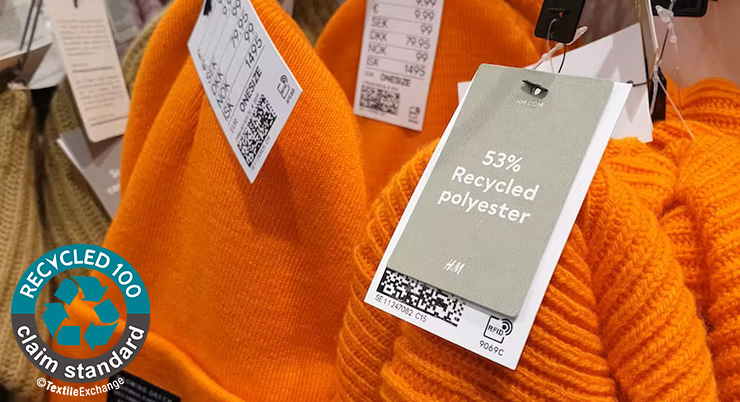
RECYCLED CLAIM STANDARD
Recycled Claim Standard recognizes Products made either in whole or part from Recycled Waste Material in place of Virgin Raw Materials. Recycled Content Program supports Suppliers and Manufacturers validate and communicate the Pre-Consumer or Post-Consumer Recycled Content in their Material, Product, or Package in accordance with Global Labelling Standards. RCS demonstrates your commitment to Conserving Natural Resources, helps you meet Customer Specifications and supports your Sustainability Goals.
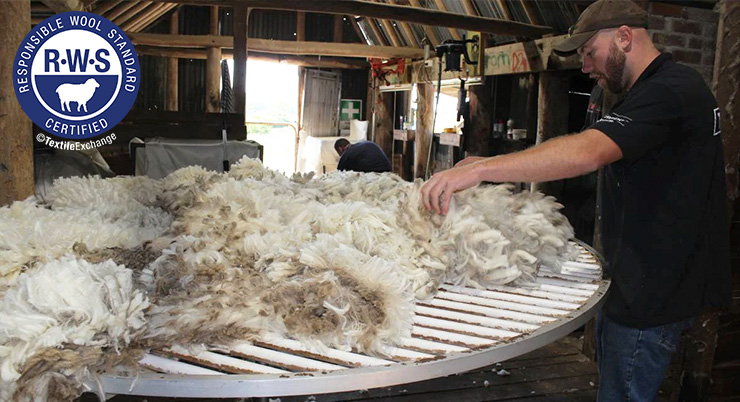
RESPONSIBLE WOOL STANDARD
The Responsible Wool Standard is a voluntary standard that addresses the welfare of sheep and the land they graze on. RWS also helps sheep farmers meet consumer, retailer, and brand demands. The Standard certifies they meet rigorous Animal Welfare and Land Management Requirements. The labelling by an independent certification body validates the conformity of your practices according to RWS. The RWS label guarantees better Land Management Practices, Sheep Welfare Respect and Transparent Communication.
GLOBAL ORGANIC TEXTILE STANDARD
The aim of the Global Organic Textile Standard (GOTS) is to define requirements to ensure organic status of textiles, from harvesting of the raw materials, through environmentally and socially responsible manufacturing up to labeling in order to provide a credible assurance to the end consumer. GOTS is recognized as the world's leading processing standard for textiles made from organic fibers. It defines high-level environmental criteria along the entire organic textiles supply chain and requires compliance with social criteria as well.
GLOBAL RECYCLE STANDARD
The Global Recycle Standard (GRS) was originally developed by Control Union Certifications in 2008 and ownership was passed to the Textile Exchange on 1 January 2011. GRS Certification is an international, voluntary, full product standard that sets out requirements for Third-Party Certification of Recycled Content, Chain of Custody, Social and Environmental Practices and Chemical Restrictions. This includes companies in Ginning, Spinning, Weaving and Knitting, Dyeing and Printing and Stitching in more than 50 Countries.
RESPONSIBLE BUSINESS ALLIANCE
The RBA 6.0 Code of Conduct is a set of Social, Environmental and Ethical Industry Standards. Founded in 2004, the Responsible Business Alliance (RBA), formerly the Electronic Industry Citizenship Coalition (EICC), is a Non-Profit Organization comprised of Electronics, Retail, Auto & Toy Companies committed to supporting the Rights and Wellbeing of Workers and Communities Worldwide affected by the Global Supply Chain. RBA is the world’s largest Industry Coalition dedicated to CSR in Global Supply Chains.
INDITEX JOIN LIFE SUSTAINABILITY AUDIT
Join Life is a Social & Environmental Sustainability Project by the Inditex Group to move towards a more sustainable production. The Join Life label is used on the garments that are produced using the best processes and more sustainable raw materials. Garments produced by suppliers must have achieved A or B qualification in the Social Audit to get the Join Life Label. All wet process factories involved in the manufacturing process must pass the Join Life environmental assessments with a A or B Classification to get the Join Life Label.
BUYERS TECHNO-SOCIAL CODE OF CONDUCT AUDIT
A Buyers Techno-Social Code of Conduct (COC) is a Set of Quality, Environmental, Occupational Health & Safety, and Social Accountability Standards which demonstrates the Supply Chan’s Commitment to operate Its Business at the Highest Standards of Ethics. Each Brand and Importer develop their own COC Standard to which Vendors in the Supply Chain are expected to comply. The aim of Buyers COC Audit is to ensure that the Business Partners or the Supply Chain abide with the Brand’s Commitment to QMS, EHS & Social Standards.
BETTER COTTON INITIATIVE (BCI)
The Better Cotton Initiative (BCI) is the world’s largest cotton sustainability program, aimed at transforming global cotton production by making it more environmentally friendly, socially responsible, and economically viable for farmers. BCI trains cotton growers on better farming practices—such as reducing pesticide use, improving water efficiency, enhancing soil health, and ensuring decent work conditions—so they can produce cotton that is better for people and the planet. The program supports millions of farmers globally and supplies “Better Cotton” to brands committed to sustainable sourcing.
@2021 Quantum Systems Management Private Limited ©